
The Impact made by Newcomen and his Steam Engine
Before steam power was utilised, most of the mills and factories in the 16th and 17th centuries were water-powered, wind-powered, horse-powered or man-powered. The atmospheric steam engine helped to boost the Industrial Revolution. In order for factories to be water-powered or wind-powered, they had to be based near a river.
However, if these rivers were to freeze during the cold winters or dry out during a hot drought, and as wind doesn’t always blow, wind and water power would not always be reliable. The use of steam power allowed the mills and factories to be based anywhere, which meant that they would be more spaced out and could run more efficiently. Steam power also contributed to the Industrial Revolution as it became a reliable energy source used for powering the large machinery used within the factories and mills.
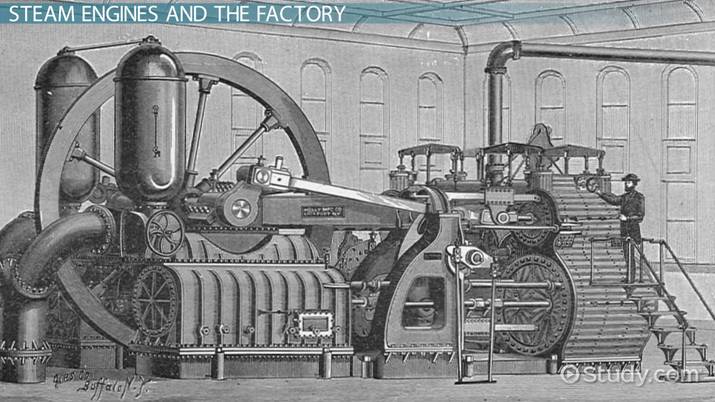
Steam engines were improved a lot throughout the 1800s. They started to become a lot more efficient, and even smaller as well. Steam power became a regularly used energy source. Throughout many different factories and mills, larger steam engines were used to power multiple different machines at once. The smaller steam engines were used throughout different types of transportation, including steamboats and trains.

 Thomas Newcomen - Atmospheric Steam Engine